

In a rare technical glitch, Microsoft's Defender software mistakenly identified DigiCert's root certificates as malicious files, prompting a swift correction.
In an unexpected twist, Microsoft Defender has been errantly flagging DigiCert root certificates as malicious software, sparking anxiety among network administrators and cybersecurity professionals. This issue has the potential to bring various systems and programs to a standstill, resulting in service outages and application downtime that rely on these certificates for authentication. Buckle up and let's dive into the solution – in this in-depth tutorial, we'll lead you through the entire process of resolving this issue, and we'll also be offering practical tips to help you sidestep these kinds of problems from now on.
🛠️ Why is this happening
There's been a database glitch with Microsoft Defender that's causing it to incorrectly flag DigiCert root certificates as malicious software. Inaccurate categorization can result from various issues, including outdated characterizations of safeguarding components or a malfunction within the safeguarding algorithm's logic. Given this development, system administrators need to act swiftly to resolve the issue and prevent any service disruptions.
To fully appreciate the gravity of this situation, it's necessary to be aware that various organizations use DigiCert root certificates as a foundation for secure server-client connections, thereby protecting sensitive information. Believe it or not, The organization's online standing is at risk if their certificates are incorrectly identified as malicious software, which could in the end tarnish their reputation.
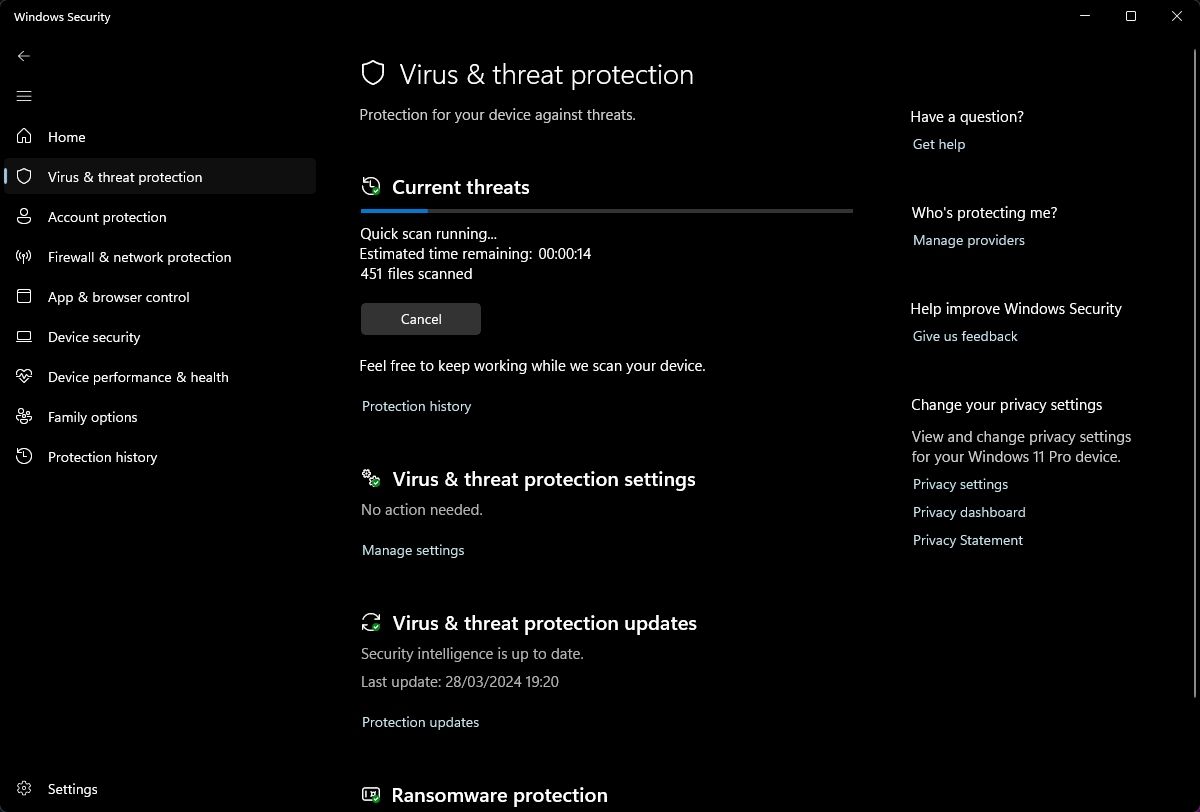
✅ Step-by-Step Fix
- To guarantee optimal security, you should make sure Microsoft Defender is operating with the most current virus definitions at all times. Commencing this task, you should open the Microsoft Defender application, click on the "Virus & threat protection" menu option, and finally click on the "Check for updates" link.
- If you notice your scans frequently flag DigiCert root certificates as threats, consider manually adding them to Microsoft Defender's exclusion list for a smoother experience. To do this, open the Microsoft Defender app, click on the "Virus & threat protection" option, and then click on "Virus & threat protection settings" Scroll down to the "Exclusions" section and add the DigiCert root certificates to the list
- Step 3: Restart your system - After updating the Microsoft Defender definitions and excluding the DigiCert root certificates from scans, restart your system to ensure that the changes take effect
- Step 4: Verify the issue is resolved - After restarting your system, verify that the issue is resolved by checking the Microsoft Defender logs for any errors related to the DigiCert root certificates
By following these steps, you should be able to resolve the issue of Microsoft Defender mistakenly flagging DigiCert root certificates as malware It's essential to note that these steps are temporary fixes, and you should continue to monitor the situation for any further updates from Microsoft
💡 Pro Tips to avoid this
- Regularly update your Microsoft Defender definitions to ensure you have the latest security intelligence
- Monitor your system logs for any errors related to certificate validation
- Implement a robust certificate management system to keep track of all certificates used within your organization
- Consider using a third-party certificate monitoring tool to stay on top of any certificate-related issues
By following these pro tips, you can minimize the risk of Microsoft Defender mistakenly flagging DigiCert root certificates as malware and ensure the smooth operation of your organization's online presence
🎯 Final Thoughts
bottom line, the issue of Microsoft Defender mistakenly flagging DigiCert root certificates as malware can be resolved by following the step-by-step fix outlined in this tutorial It's essential to stay vigilant and continue monitoring the situation for any further updates from Microsoft By implementing the pro tips outlined in this tutorial, you can minimize the risk of similar issues occurring in the future and ensure the security and integrity of your organization's online presence
Remember, cybersecurity is an ongoing process that requires constant attention and monitoring Stay informed, stay vigilant, and always prioritize the security of your organization's online presence