
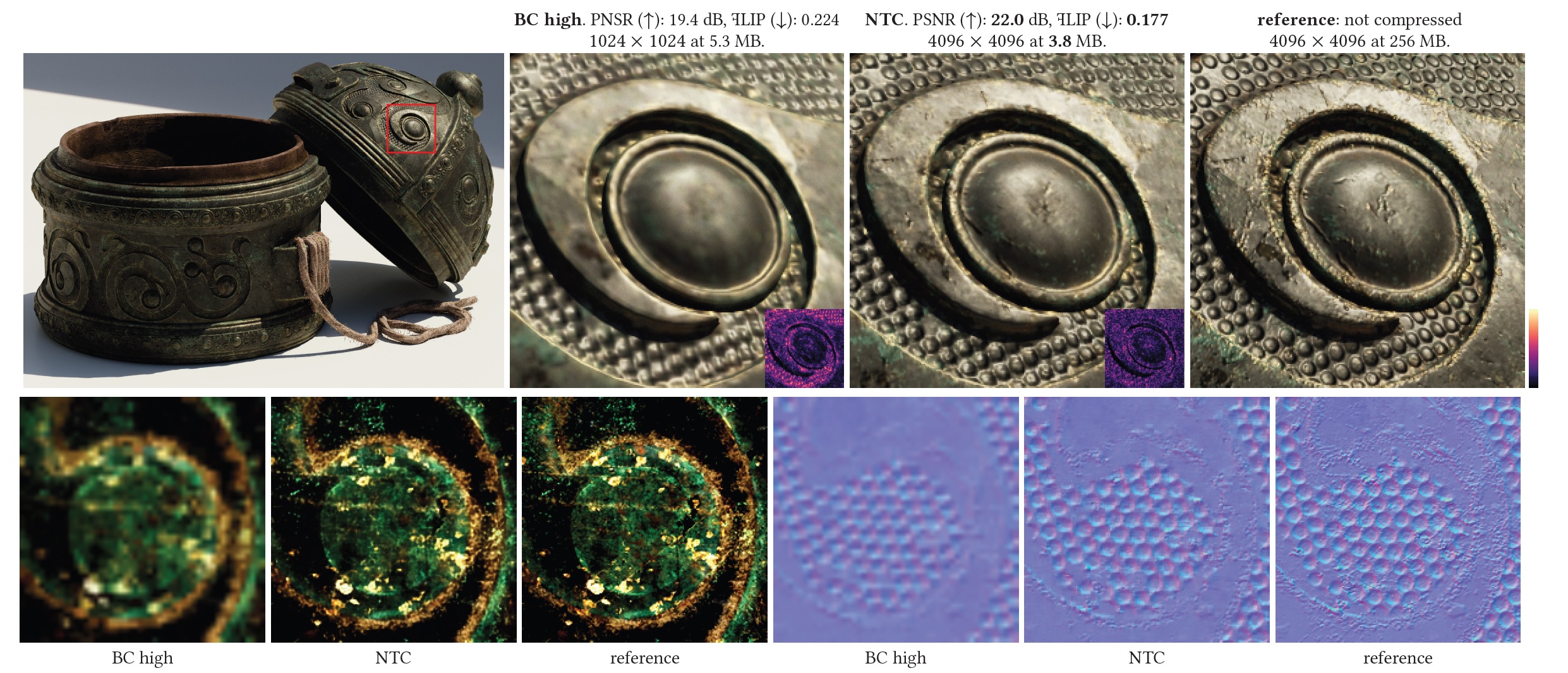
Minimizing VRAM Consumption by Troubleshooting and fixing NVIDIA's Neural Texture Compression
🛠️ Why is this happening
A cutting-edge technology developed by NVIDIA called Neural Texture Compression enables graphics cards to make more efficient use of their video random access memory. Honestly, worth mentioning that some individuals may struggle with this feature, which could lead to a notable increase in VRAM usage. Look, This issue often stems from a mix of factors including outdated or poorly configured driver software, incorrect settings, or hardware components that aren't designed to work harmoniously. Alright, let's dive in and figure out a way to resolve these problems and minimize our VRAM usage, starting with the fact that it's currently consuming 6GB. 5 GB to 970 MB By using the power of artificial intelligence, the Neural Texture Compression feature expertly condenses high-resolution textures, resulting in a substantial reduction in the VRAM required to store and render them. However, in the event that this feature fails to operate as intended, it could cause a significant spike in VRAM usage, resulting in decreased system performance and an elevated risk of application or game crashes. Solving this problem requires us to isolate its core reason and then apply the corrective actions that are necessary to address it.

✅ Step-by-Step Fix
By following these instructions, users should be able to address problems with NVIDIA's Neural Texture Compression, resulting in reduced VRAM consumption.
- Make sure to download and install the newest available NVIDIA driver updates to get the best performance. Utilizing drivers that are no longer supported can result in problems with the Neural Texture Compression feature, in the end leading to an increase in VRAM usage. Honestly, I mean it, downloading the latest drivers is as simple as heading over to the NVIDIA website.
- Disable and re-enable the Neural Texture Compression feature This can be done through the NVIDIA Control Panel Open the Control Panel, navigate to the "Manage 3D settings" page, and look for the "Neural Texture Compression" option Disable it, then re-enable it to reset the feature
- Adjust the texture quality settings in your games or applications If the texture quality is set too high, it can cause the Neural Texture Compression feature to malfunction, leading to increased VRAM usage Try reducing the texture quality to see if it resolves the issue
- Monitor your VRAM usage using tools like GPU-Z or Afterburner These tools can help you identify which applications or games are using the most VRAM, allowing you to adjust your settings accordingly
- Consider upgrading your graphics card if you're using an older model Newer graphics cards have improved Neural Texture Compression capabilities, which can help reduce VRAM usage
💡 Pro Tips to avoid this
To avoid issues with NVIDIA's Neural Texture Compression and reduce VRAM use, follow these pro tips:
- Regularly update your NVIDIA drivers to ensure you have the latest features and fixes
- Monitor your VRAM usage to identify potential issues before they become major problems
- Adjust your texture quality settings to find a balance between quality and performance
- Consider using alternative texture compression methods, such as DXT or ETC, if you're experiencing issues with Neural Texture Compression
- Keep your graphics card cool, as overheating can cause issues with the Neural Texture Compression feature
🎯 Final Thoughts
bottom line, fixing NVIDIA's Neural Texture Compression and reducing VRAM use from 6 5 GB to 970 MB requires a combination of driver updates, setting adjustments, and monitoring By following the steps outlined in this tutorial and taking advantage of the pro tips, you can help ensure that your graphics card is running efficiently and effectively Remember to regularly update your drivers and monitor your VRAM usage to prevent issues from arising With the right settings and a little bit of know-how, you can enjoy a smoother gaming or application experience with reduced VRAM usage