

The Neural Texture Compression innovation by NVIDIA is poised to revolutionize the way VRAM is utilized in the industry.
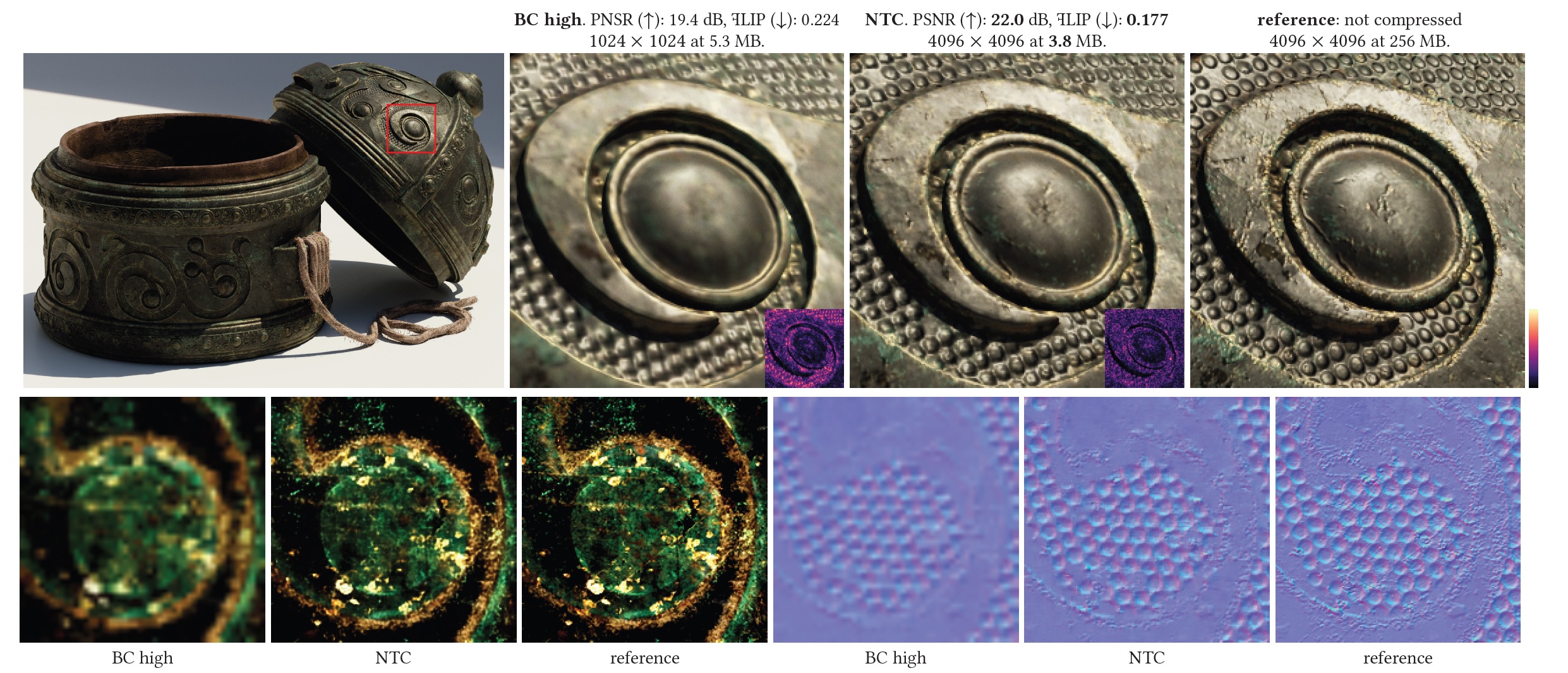
NVIDIA has taken a major leap forward in their pursuit of graphics optimization, unveiling a new technology that dramatically slashes VRAM requirements. By implementing Neural Texture Compression, researchers have been able to demonstrate a notable reduction in VRAM demand, typically by around 6 units. Over an 85% reduction in size became apparent when a large 5 GB dataset condensed down to a significantly smaller 970 MB. Seriously, As you consider the implications of this technology, let's examine how it can specifically benefit you and what steps you can take to leverage its capabilities. Wait. In this in-depth tutorial, we'll dissect the intricacies of NVIDIA's Neural Texture Compression and offer a full, step-by-step solution to resolve VRAM usage problems.
🛠️ Why is this happening
The primary cause of the high VRAM utilization is how graphics rendering handles and utilizes texture data. Wait. Inefficient compression of texture data typically culminates in excessive memory allocation, which is then required for storing and rendering textures. Outdated hardware can manifest as a downturn in performance, an uptick in energy consumption, and a heightened risk of system failures. Look, NVIDIA's Neural Texture Compression utilizes sophisticated machine learning and artificial intelligence techniques to greatly enhance the compression of textures, thus alleviating storage space constraints.
Neural Texture Compression technology achieves remarkable compression by using the power of deep learning, enabling users to compress textures at rates substantially higher than traditional techniques. The consequence of this is a marked decrease in video RAM usage, allowing users to run more demanding applications and games without experiencing a decline in system performance. But how can you fix VRAM usage issues and take advantage of this technology
✅ Step-by-Step Fix
- Step 1: Update your NVIDIA drivers to the latest version, as this will ensure you have access to the Neural Texture Compression technology Seriously, You can do this by visiting the NVIDIA website and downloading the latest drivers for your graphics card
- Step 2: Enable the Neural Texture Compression feature in your graphics settings This can usually be found in the NVIDIA Control Panel or the graphics settings menu of your game or application , Look for the "Neural Texture Compression" or "NVC" option and enable it to take advantage of the reduced VRAM usage
- Step 3: Adjust your graphics settings to optimize performance With the reduced VRAM usage, you may be able to increase the texture quality or resolution without compromising performance Experiment with different settings to find the optimal balance between quality and performance
- Step 4: Monitor your VRAM usage to ensure the Neural Texture Compression technology is working effectively You can use tools like GPU-Z or Afterburner to monitor your VRAM usage and adjust your settings accordingly
- Regularly update your graphics drivers to ensure you have access to the latest features and technologies, including the Neural Texture Compression
- Use the NVIDIA Control Panel to optimize your graphics settings and take advantage of the Neural Texture Compression technology
- Experiment with different graphics settings to find the optimal balance between quality and performance, and adjust your settings accordingly
- Monitor your VRAM usage regularly to identify potential issues and adjust your settings to avoid excessive VRAM usage
NVIDIA's Neural Texture Compression technology is a big deal for VRAM usage, offering a significant reduction in memory allocation and improved performance By following the step-by-step guide and pro tips outlined in this tutorial, you can take advantage of this technology and enjoy a better gaming and graphics experience Remember to regularly update your graphics drivers, optimize your graphics settings, and monitor your VRAM usage to ensure you're getting the most out of your system With the Neural Texture Compression technology, you can say goodbye to excessive VRAM usage and hello to a more efficient and powerful graphics rendering experience