

using Gemma 4 to Narrow the Gap: A Plan for Google to Overcome the Challenge Posed by China's Dominant Open-Weights AI Models
In a high-stakes competition, Google's dominance will soon be put to the test by Gemma 4, a powerful new entrant in the tech arena.
In a bid to close the gap, Google has launched Gemma 4, a colossal language model that takes on China's cutting-edge AI systems in the open-source arena. Believe it or not, I'm dead serious, this move signifies a vital moment in the quest for AI superiority. As emerging tech becomes more prevalent, we can expect to encounter a slew of problems that demand attention. In this full walkthrough, we'll examine the underlying factors contributing to these issues and offer a detailed, step-by-step roadmap to get you back on track.
🛠️ Why is this happening
Google's primary concern stems from the escalating rivalry in the world of artificial intelligence, where Chinese open-source models have become a significant threat. Firms like Baidu and Alibaba from China have been allocating significant resources to the study and improvement of Artificial Intelligence, resulting in the emergence of sophisticated AI models available for use by others. Google's grip on the AI market is being steadily eroded as these alternative models gain increasing acceptance. In response to the rising challenge from China, Google has unveiled Gemma 4, a state-of-the-art language model engineered to compete directly with the most advanced open-weights models emanating from that country.
✅ Step-by-Step Fix
For those looking to resolve the issues surrounding Google's competition with Chinese open-source models running on Gemma 4, a series of steps must be taken to achieve success.
- To proceed, it's essential to grasp the full range of functionalities that Gemma 4 has to offer. Look, Gemma 4 is a large language model that can process and generate human-like language It has been trained on a massive dataset and can perform tasks such as language translation, text summarization, and question answering
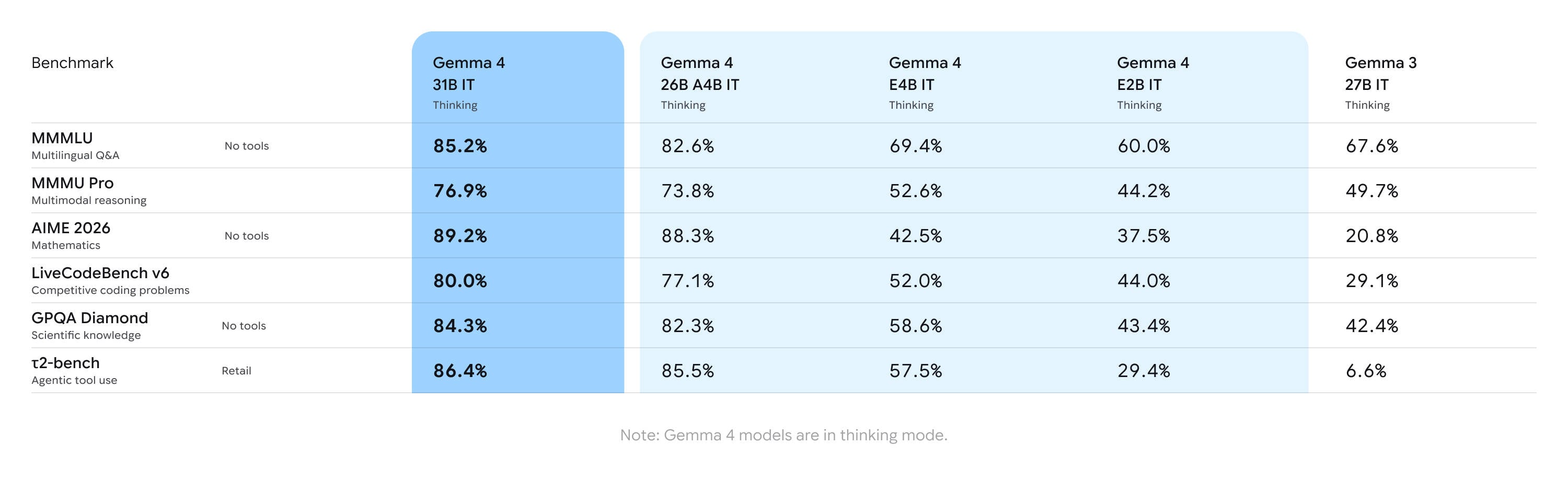
- Step 2: Compare Gemma 4 with Chinese open-weights models Chinese open-weights models such as Baidu's ERNIE and Alibaba's ALBERT have been gaining popularity due to their advanced capabilities Compare the features and performance of Gemma 4 with these models to determine its strengths and weaknesses
- Step 3: Identify the areas where Gemma 4 needs improvement After comparing Gemma 4 with Chinese open-weights models, identify the areas where it needs improvement This could include tasks such as language translation, text summarization, or question answering
- Step 4: Fine-tune Gemma 4 for specific tasks Once the areas for improvement have been identified, fine-tune Gemma 4 for specific tasks This could involve training the model on a smaller dataset or adjusting its parameters to improve its performance
- Step 5: Test and evaluate Gemma 4 After fine-tuning Gemma 4, test and evaluate its performance on various tasks Compare its performance with Chinese open-weights models to determine its effectiveness
💡 Pro Tips to avoid this
To avoid the issues related to Google's battle with Chinese open-weights models using Gemma 4, follow these tips:
- Stay up-to-date with the latest developments in AI research and development This will help you to anticipate and prepare for any changes in the AI market
- Continuously evaluate and improve Gemma 4 Regularly evaluate the performance of Gemma 4 and make improvements as needed This will help to ensure that it remains competitive with Chinese open-weights models
- Collaborate with other researchers and developers Collaborating with other researchers and developers can help to identify and address any issues related to Gemma 4 Seriously, It can also provide opportunities for knowledge sharing and learning
- Invest in AI research and development Investing in AI research and development can help to drive innovation and improve the performance of Gemma 4 It can also provide a competitive advantage in the AI market
🎯 Final Thoughts
bottom line, Google's battle with Chinese open-weights models using Gemma 4 is a significant development in the field of artificial intelligence By following the steps outlined in this tutorial, you can fix the issues related to Gemma 4 and improve its performance Additionally, by following the pro tips, you can avoid any potential issues and stay ahead of the competition As the AI market continues to evolve, it is essential to stay up-to-date with the latest developments and be prepared to adapt to any changes With Gemma 4, Google has taken a significant step towards competing with Chinese open-weights models, and it will be interesting to see how the battle for AI supremacy unfolds in the future