
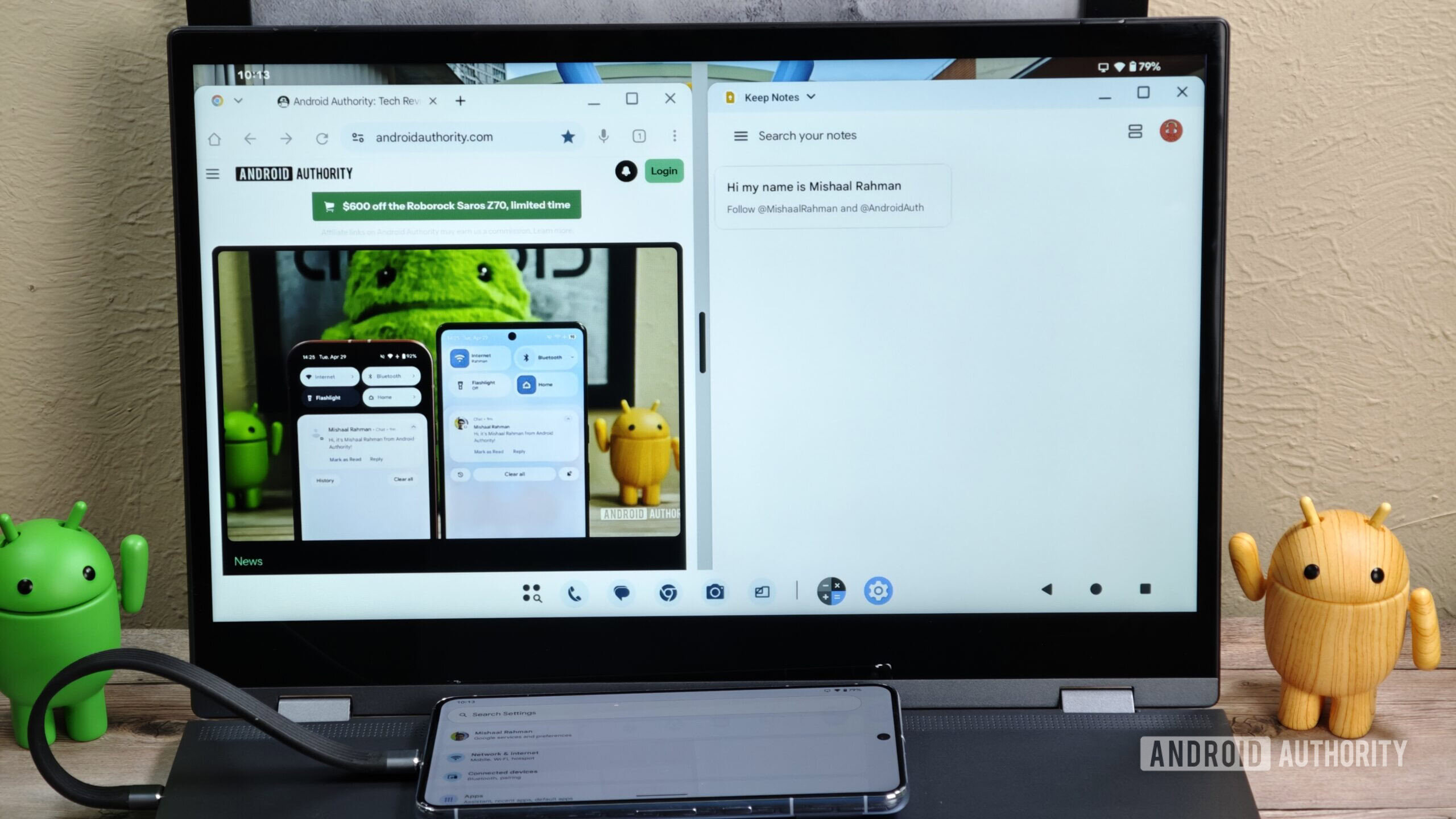
Android is launching an innovative desktop mode for users, bringing the familiar functionality of a computer to the mobile operating system.
The introduction of Android's desktop windowing mode has dramatically transformed my tablet experience, making it feel smooth and hassle-free. Here's the thing, This forward-thinking design brings a nostalgic desktop feel to modern computing, complete with adjustable window sizes and superior multitasking capabilities. I've developed a habit of turning to my tablet for all sorts of everyday chores.📈 Impact on Productivity
The novel desktop windowing mode has greatly streamlined my work process, empowering me to efficiently juggle multiple tasks in parallel, thereby amplifying my overall output. Honestly, The flexibility to resize windows and have multiple programs open simultaneously has been a big deal for my workflow, allowing me to stay on top of everything. Wait. Frankly, this feature has been a real lifesaver in terms of speeding up my work process.
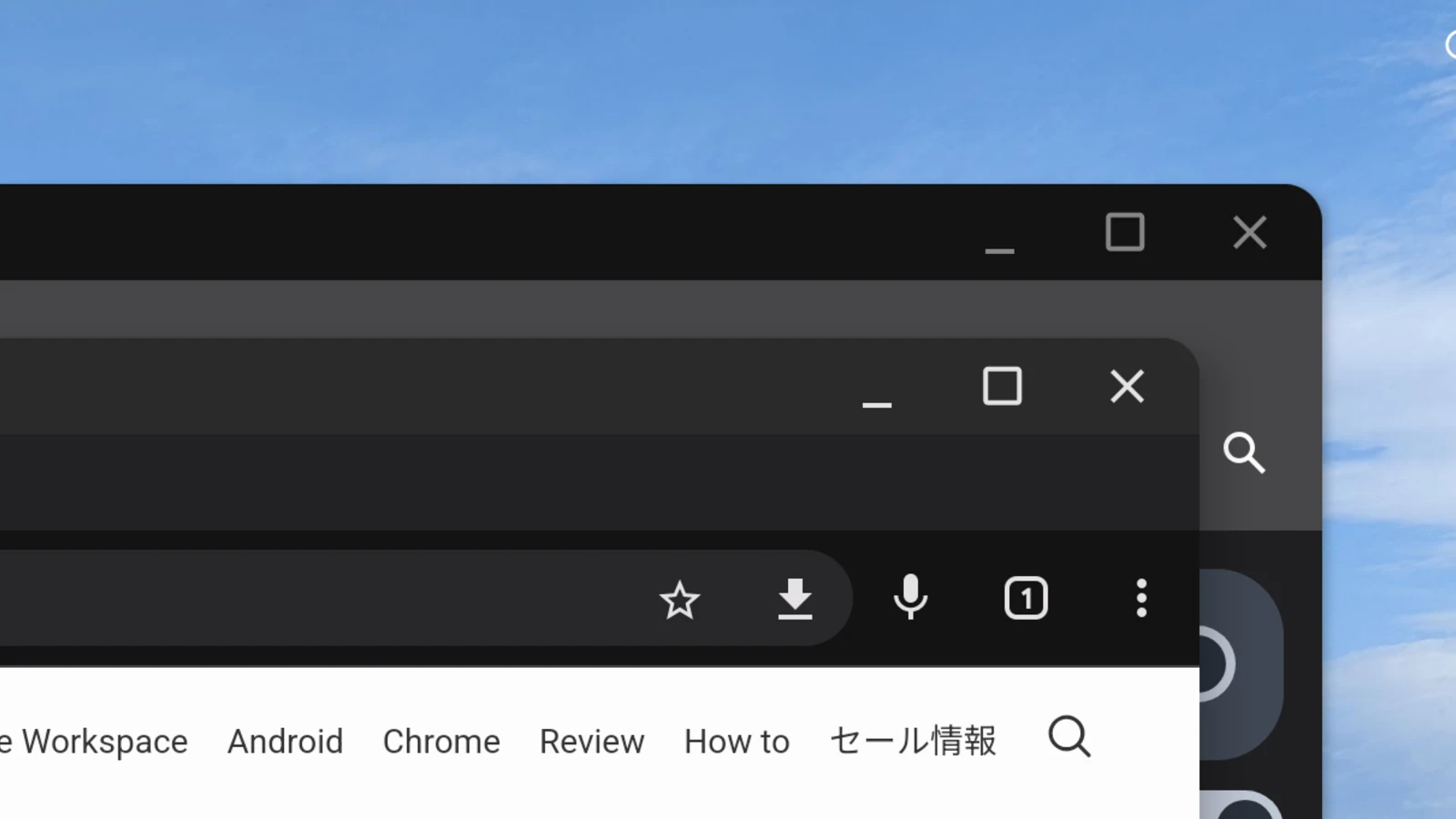
📊 Changes in User Behavior
With the introduction of Android's desktop capabilities, I've found myself gravitating towards my tablet for certain activities, tasks that I used to reserve for my laptop prior to this feature's availability. Thanks to its incredible convenience and adaptability, my tablet has become the device I instinctively reach for when I need to browse the internet, respond to emails, or work on documents from anywhere. In consequence, my use of the laptop has plummeted dramatically.🔍 Future Implications
Android's innovative desktop interface is more than just a personal convenience; it has the capacity to redefine the way we interact with our devices, with far-reaching implications for how we use technology in the years to come. At this point, it's clear that the boundaries between laptops and tablets are becoming increasingly ambiguous; consequently, we can anticipate a significant shift in how these devices are designed and marketed by the industry. Wait. As this technology continues to evolve, it will be exciting to see how it shapes the future of mobile computing