

Troubleshooting Essential Tips for the ASUS ROG Strix OLED Monitor Series
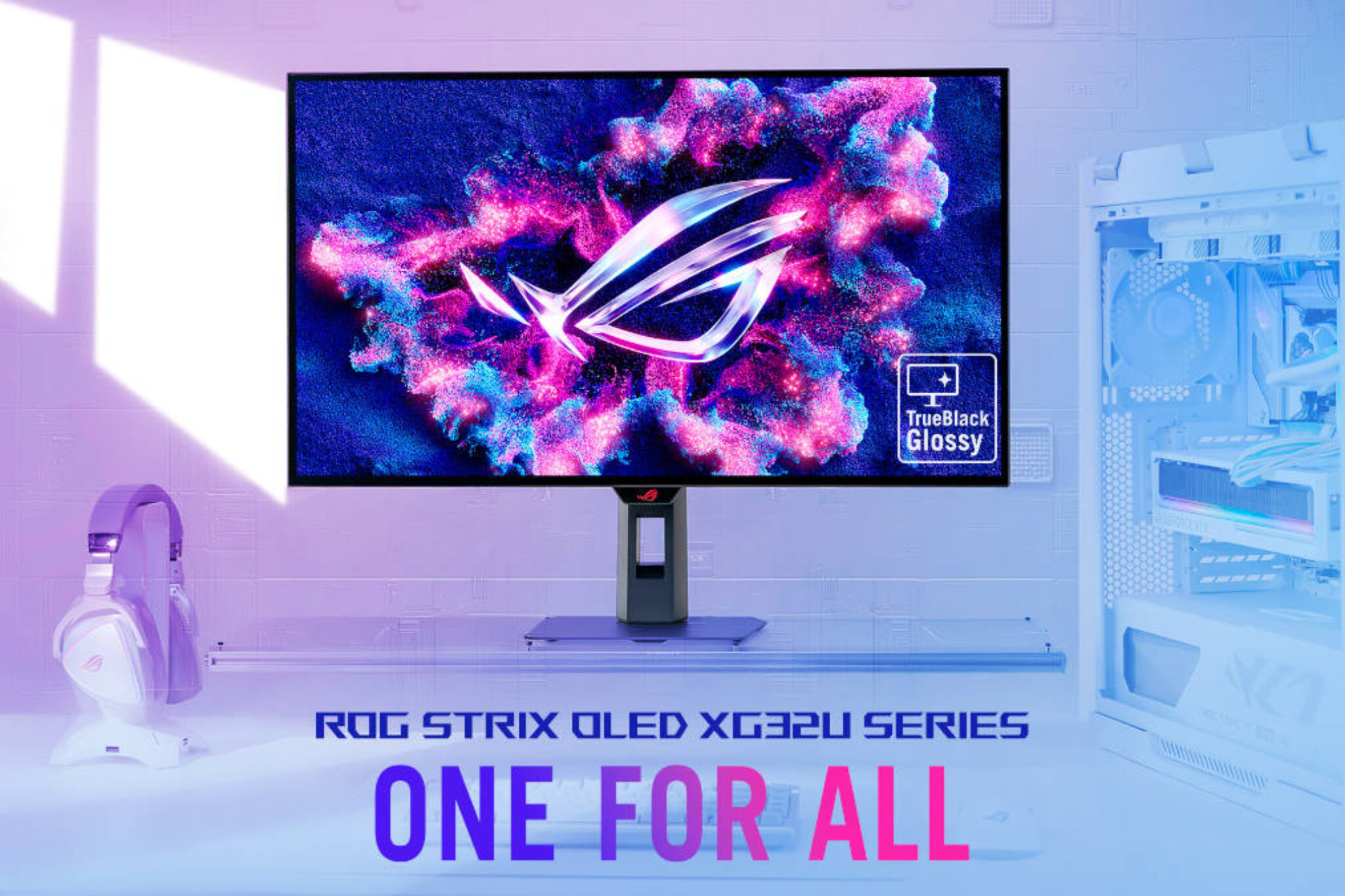
ASUS' high-performance division, ROG, has just rolled out an assortment of Strix OLED monitors, with the XG27AQDMG Gen2, XG27ACDMS, and XG27AQDMES now available. Let's get real, these monitors are loaded with some incredible specs, including razor-sharp response times, silky-smooth refresh rates, and incredibly lifelike OLED displays. While it's not uncommon, users may still experience some difficulties with the latest technology. As we navigate this tutorial, we'll provide detailed instructions to help you troubleshoot and rectify common problems affecting these display devices.
🛠️ Why is this happening
These cutting-edge ASUS ROG Strix OLED displays boast an impressive array of features, yet their complexity can sometimes lead to some minor problems. Users frequently encounter a range of technical difficulties, including connectivity problems, display problems that can make the screen unreadable, and software issues that cause system crashes. To be frank, a host of possible explanations exists, including drivers that are no longer current, incorrect or improperly set configurations, and issues stemming from faulty hardware components. Detailed tutorials in the subsequent sections will guide you through the process of resolving these widespread problems.
✅ Step-by-Step Fix
- Make sure to download the most recent edition of your computer's graphics software. You might be astonished to learn that outdated drivers can create a whole host of problems with your monitor's connectivity and display, often manifesting as display issues or connectivity problems. Wait. It's actually pretty straightforward - just head over to NVIDIA or AMD's website to download and install the latest drivers.
- Check your monitor settings to ensure they are set to the optimal configuration This includes adjusting the display mode, refresh rate, and response time You can access the monitor settings through the on-screen display menu or the ASUS ROG software
- Restart your computer and monitor to ensure that any changes you made to the settings take effect This can also help resolve any software glitches or connectivity issues
- Perform a factory reset on your monitor if none of the above steps resolve the issue This will restore the monitor to its default settings and may help resolve any persistent problems
- Regularly update your graphics drivers to ensure you have the latest features and bug fixes
- Use a high-quality HDMI cable to connect your monitor to your computer, as a low-quality cable can cause connectivity issues
- Adjust the monitor settings to the optimal configuration for your specific use case, such as gaming or video editing
- Clean the monitor regularly to prevent dust buildup and maintain optimal image quality
- Use the ASUS ROG software to monitor the performance of your monitor and adjust settings as needed
bottom line, the new ASUS ROG Strix OLED monitors are powerful devices that can provide an immersive gaming or video editing experience I mean, However, like any new technology, they can be prone to certain issues Look, By following the step-by-step instructions outlined in this tutorial, you can fix common problems and get the most out of your monitor Remember to regularly update your drivers, check your monitor settings, and perform regular maintenance to prevent issues from arising in the first place Wait With the right knowledge and maintenance, you can enjoy a smooth and high-quality experience with your ASUS ROG Strix OLED monitor
By providing this tutorial, we hope to have helped you resolve any issues you may have been experiencing with your ASUS ROG Strix OLED monitor If you have any further questions or concerns, please do not hesitate to reach out We are always here to help Happy gaming or video editing, and we look forward to hearing about your experiences with the new ASUS ROG Strix OLED monitors