

A critical component of Windows security requires immediate attention, as its expiration date is just 8 weeks away.
🛠️ Why is this happening
The security features of Windows are continually being refined, necessitating periodic overhauls of the underlying systems to maintain optimal protection. An impending expiration of a vital security component within Windows is fast approaching, set to occur in eight weeks, thereby jeopardizing your PC's safety unless action is taken. This expiration appears to be triggered by the end-of-life of a particular security-related function or communication protocol, which Microsoft has decided to no longer maintain or support. I'm guessing this security feature ties in with either encryption methods, user verification processes, or another vital component of Windows' protective measures. In the event that this feature lapses, your computer may become susceptible to various security risks, such as unauthorized data access and cyber attacks. Don't delay – taking immediate action will guarantee the continued security and safety of your personal computer. On the bright side, Microsoft will probably provide some much-needed updates or patches to resolve this issue. It's key to get a head start on securing your PC by implementing measures that will protect it once the security feature ceases to function. Here's the thing, A key step in protecting your computer is staying up-to-date with the latest operating system updates, installing newly released security patches, and taking other proactive measures to shield your device from harm.
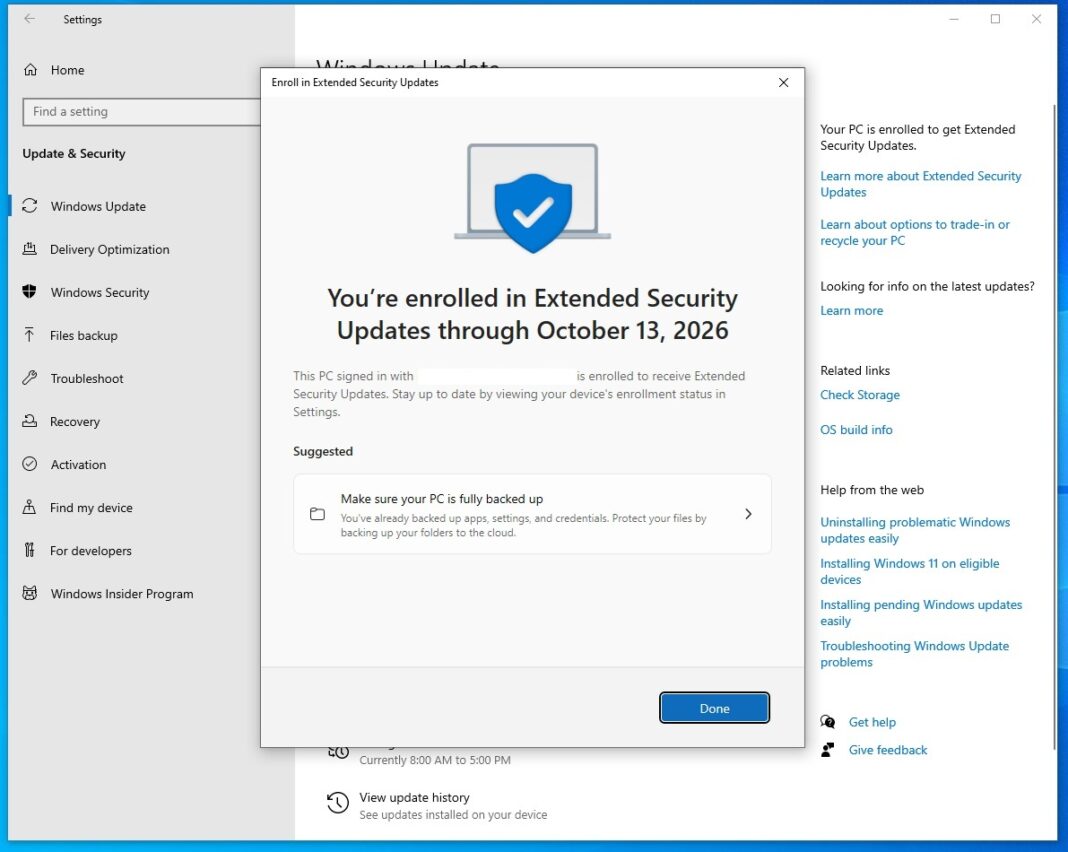
✅ Step-by-Step Fix
In anticipation of the Windows security feature's scheduled demise, take the necessary precautions by following these straightforward steps to mitigate any potential fallout.
- In order to ensure your computer is utilizing the most current edition of Windows, navigate to the 'Settings' panel, then click on 'Update & Security', after which you will need to select 'Windows Update' and initiate the 'Check for updates' process.
- Install the latest security patches: If there are any available updates, install them immediately to ensure your PC has the latest security features and patches
- Enable automatic updates: Make sure automatic updates are enabled on your PC to ensure you receive future updates and security patches without having to manually check for them
- Use strong antivirus software: Install and regularly update antivirus software to protect your PC from malware and other security threats
- Use a firewall: Enable the Windows Firewall or install a third-party firewall to block unauthorized access to your PC
💡 Pro Tips to avoid this
To avoid similar issues in the future, consider the following pro tips:
- Regularly check for updates and install them promptly to ensure your PC has the latest security features and patches
- Use a reputable antivirus software and keep it up-to-date to protect your PC from malware and other security threats
- Enable automatic updates and ensure your PC is configured to receive updates from Microsoft
- Use strong passwords and enable two-factor authentication to add an extra layer of security to your PC and online accounts
- Consider using a virtual private network (VPN) to encrypt your internet traffic and protect your data when using public Wi-Fi networks
🎯 Final Thoughts
The expiration of a Windows security feature in 8 weeks is a serious issue that requires immediate attention By following the step-by-step instructions outlined above and taking proactive steps to secure your PC, you can help mitigate the risks associated with this expiration Remember to stay vigilant and keep your PC up-to-date with the latest security patches and features to ensure your PC remains protected from potential security threats