
Mitigating the Ripple Effect of Google's Spark Launch on OpenClaw's GitHub Popularity.
🛠️ Introduction
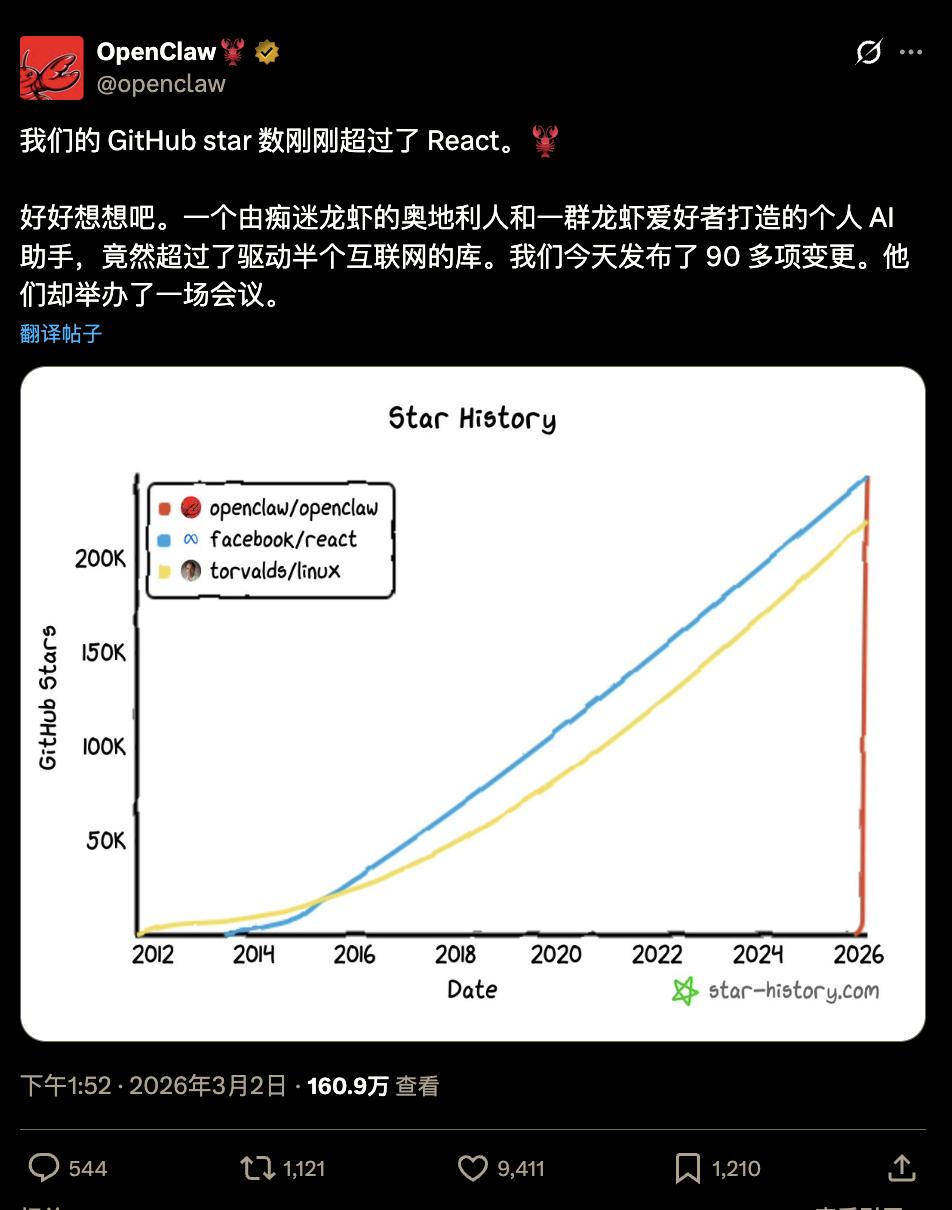
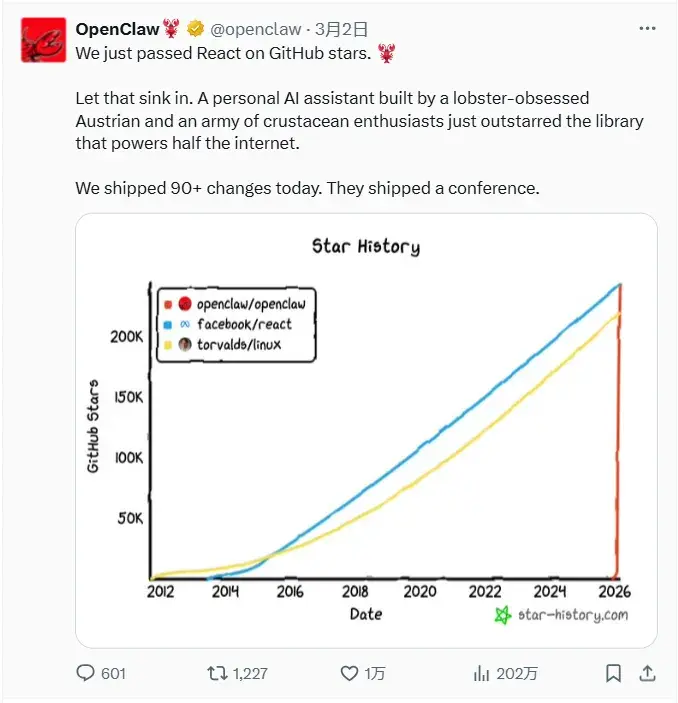
OpenClaw's remarkable milestone of surpassing 300,000 GitHub stars marks a major triumph for the open-source community, underscoring the project's expanding influence and impact. The arrival of Google's Spark has led to questions about the sustainability of OpenClaw and its continued relevance in the competitive tech sector. This tutorial will dig into the motivations driving this progression and supply a careful, sequential instructional framework to address any unforeseen problems that may materialize.
🛠️ Why is this happening
The chief cause of OpenClaw's predicted decline in popularity lies in the release of Google's Spark, a groundbreaking technology that mirrors its capabilities and functionalities. Consequently, the focus of many software engineers has shifted, with a growing number of them seeking to explore and understand the potential of this novel technology. also, the emergence of Spark has sparked apprehensions regarding the smooth interface of OpenClaw with other software systems.
✅ Step-by-Step Fix
In order to preserve OpenClaw's relevance and prevent potential complications, please adhere to the following protocol.
- To get a full understanding of the OpenClaw ecosystem, we must start by gathering data on the project's contributors, the frequency of updates, and the current status of reported issues. By reviewing this data, we can determine which aspects of the project require revision and obtain a lucid view of its overall condition.
- Now that we've got our two contenders lined up, let's take a close look at the essential features and functions of both Google's Spark and OpenClaw, and see how they stack up against each other. By doing this, we'll be able to pinpoint where OpenClaw can step up its game and carve out its unique niche compared to Spark.
- Step 3: Engage with the OpenClaw community and gather feedback on the project's current state and future direction This can be done through surveys, forums, or social media channels, and will help identify areas that need attention and provide a sense of direction for the project
- Step 4: Develop a roadmap for OpenClaw that addresses the concerns and suggestions raised by the community This should include a clear plan for improving the project's compatibility, integration, and overall user experience
- Step 5: Implement the roadmap and start working on the improvements and features outlined in the plan This will require collaboration with the community, contributors, and maintainers to ensure that the project stays on track and meets its goals
💡 Pro Tips to avoid this
To avoid similar issues in the future, consider the following tips:
- Stay up-to-date with the latest trends and developments in the industry, and be prepared to adapt to changes in the market
- Encourage open communication and collaboration within the community, and provide a clear channel for feedback and suggestions
- Continuously monitor the project's ecosystem and address any issues or concerns that arise in a timely and effective manner
- Develop a flexible and scalable architecture that allows for easy integration with other tools and platforms
- Focus on building a strong and engaged community, and provide incentives and rewards for contributors and maintainers
🎯 Final Thoughts
The launch of Google's Spark has raised important questions about the future of OpenClaw and its relevance in the market However, with a clear understanding of the reasons behind this development and a step-by-step plan to address the issues, it is possible to ensure the continued success and growth of OpenClaw By following the steps outlined in this tutorial and staying true to the principles of open-source development, we can work together to build a stronger and more resilient community that is better equipped to handle the challenges of the future Remember to stay adaptable, engage with the community, and continuously monitor the project's ecosystem to ensure the long-term success of OpenClaw