

Rebalancing the Scales: A Methodical Guide to Counteracting AMD's Growing CPU Lead
🛠️ Why is this happening
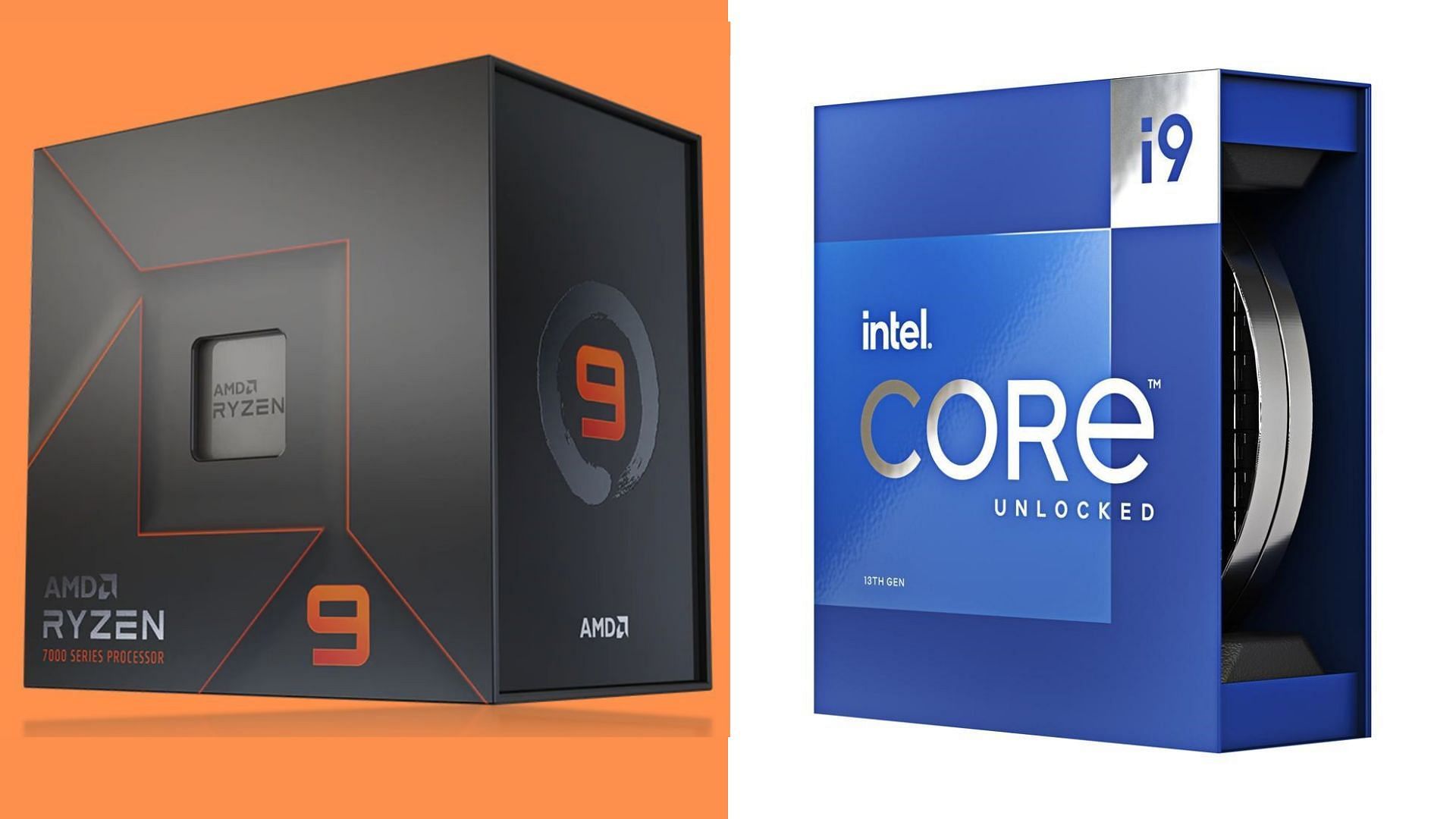
New figures on Amazon reveal a clear trend: AMD's Ryzen 9 9950X3D2 is currently the leading seller among CPUs, and its X3D variants are heavily represented in the top 10 best-selling processor list. It's the remarkable synergy of performance and power efficiency in AMD's X3D technology that's largely responsible for this impressive outcome. These cutting-edge microprocessors feature an innovative 3D V-Cache technology that significantly amplifies their gaming capabilities, solidifying them as the preferred option for gaming enthusiasts and multimedia professionals alike. The widespread adoption of AMD's X3D chips can be largely attributed to their remarkable ability to offer superior processing capabilities while minimizing energy expenditure. As a result of its exceptional processing power, this technology has earned a reputation as a favorite among high-usage users, such as professional gamers, content creators, and heavy-duty computing enthusiasts. The latest trend of decreased prices and enticing bundles offered by AMD has significantly increased the appeal of their X3D chips, making them a more attractive option for consumers. The influence of AMD's leadership in the CPU industry is nothing short of profound. With X3D chips dominating the top 10 positions on Amazon, Intel is now under intense pressure to innovate and stay ahead of the game. According to sales figures, a noticeable trend is emerging where consumers are favoring AMD's X3D processors more so than Intel's alternatives, potentially resulting in a substantial market share realignment.
✅ Step-by-Step Fix
Intel's road to recovery hinges on developing and executing a well-structured, multi-pronged approach to address the current challenges and reestablish its market presence. Here's a step-by-step guide:
- For Intel to stay ahead in the market, they must direct their efforts towards upgrading the efficiency and power of their CPUs to reach and surpass the performance standards set by AMD's X3D processors. Wait. This can be achieved through advancements in architecture, increased clock speeds, and improved power management
- Step 2: Enhance Power Efficiency - Intel needs to work on reducing the power consumption of their CPUs to make them more attractive to consumers This can be achieved through the use of more efficient manufacturing processes, improved thermal management, and enhanced power-saving features
- Step 3: Competitive Pricing - Intel needs to review their pricing strategy to make their CPUs more competitive with AMD's offerings This can include offering bundle deals, discounts, and other promotions to make their products more attractive to consumers
- Step 4: Innovative Technologies - Intel needs to invest in innovative technologies that can provide a significant boost to performance and power efficiency I mean, This can include the development of new architectures, the use of advanced materials, and the integration of artificial intelligence and machine learning capabilities
💡 Pro Tips to avoid this
To avoid being dominated by AMD's X3D chips, Intel should consider the following pro tips:
- Focus on Gaming Performance - Intel should prioritize gaming performance in their CPU designs, as this is a key area where AMD's X3D chips excel By providing high-performance processing and low latency, Intel can make their CPUs more attractive to gamers
- Invest in AI and ML - Intel should invest in artificial intelligence and machine learning capabilities to enhance the performance and power efficiency of their CPUs This can include the integration of AI-powered cores, ML-based power management, and other innovative technologies
- Enhance Overclocking Capabilities - Intel should enhance the overclocking capabilities of their CPUs to make them more attractive to enthusiasts and power users Seriously, This can include the provision of more aggressive overclocking settings, improved thermal management, and enhanced voltage control
- Improve Software Support - Intel should improve the software support for their CPUs, including the provision of more full drivers, improved compatibility with popular games and applications, and enhanced support for emerging technologies like ray tracing and variable rate shading
🎯 Final Thoughts
bottom line, the dominance of AMD's X3D chips in the CPU market is a significant challenge for Intel To regain market share, Intel needs to focus on improving performance, enhancing power efficiency, and providing competitive pricing By following the step-by-step guide outlined above and considering the pro tips, Intel can develop a full strategy to compete with AMD's X3D chips and regain its position in the market The CPU market is highly competitive, and Intel needs to be proactive in addressing the challenges posed by AMD's X3D chips With the right strategy and investments, Intel can overcome these challenges and provide consumers with high-performance, power-efficient CPUs that meet their evolving needs